
Community Services Course in Australia for International Students: Complete Guide
Explore the complete guide to community services courses in Australia for international students, including entry requirements, fees, career opportunities, salaries, and potential PR pathways.
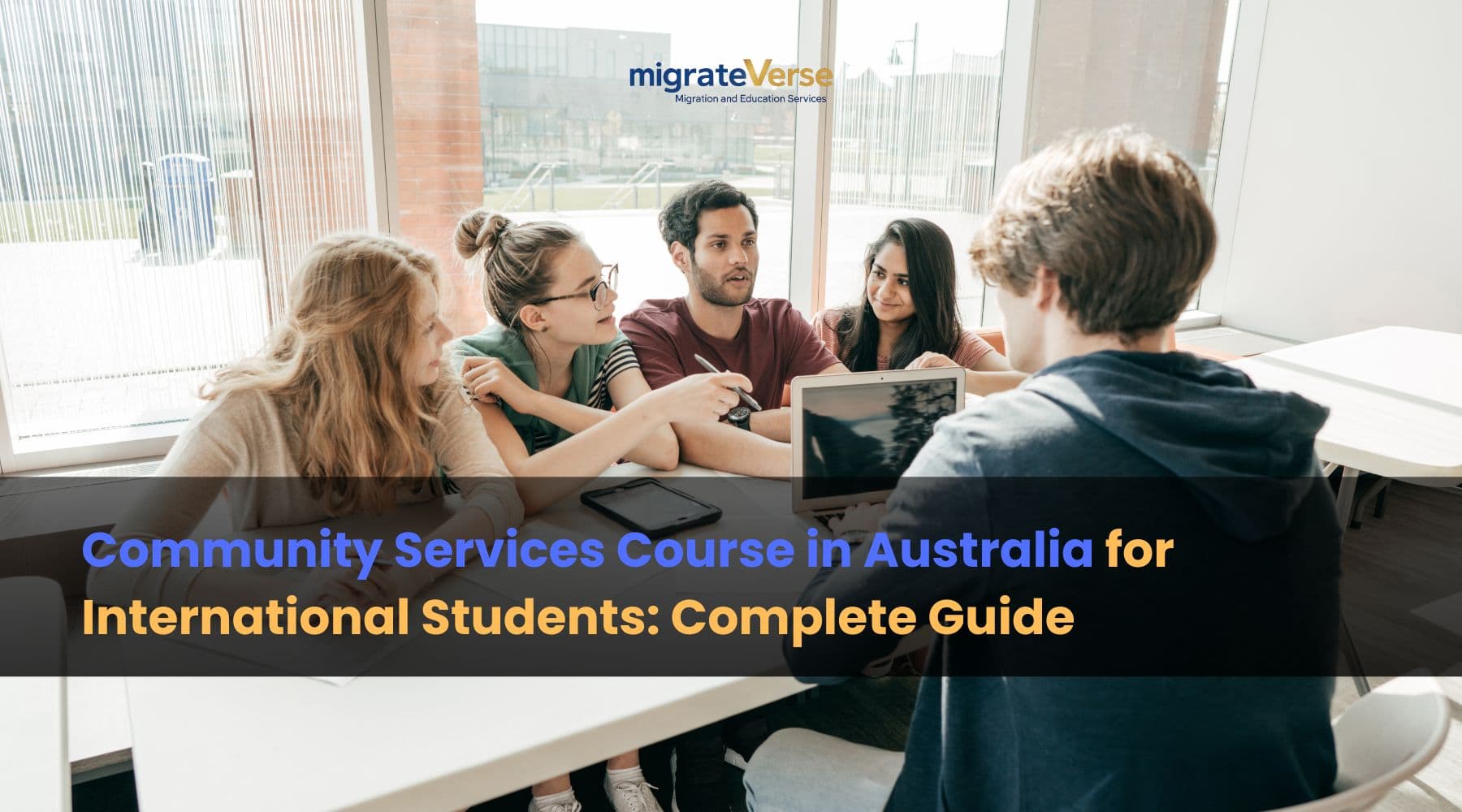
Thinking about a Community Services Course in Sydney? You're definitely not alone there. I've noticed this trend picking up massively over the last couple years - international students moving away from the usual IT and business degrees and looking at something more, I don't know, human? Hands-on? Community services courses tick a lot of boxes for people wanting both a stable career path and an actual migration pathway in Australia.
Let's get into the real details though, because there's a lot to unpack here.
What Even Is a Community Services Course, Practically Speaking?
Okay so this might sound obvious but I think it's worth clarifying upfront. Community services courses train you to work with people — vulnerable groups mostly. Elderly individuals, people with disabilities, families going through tough situations, youth at risk, that sort of thing. You're learning case management, counseling basics, advocacy, how to navigate government support systems, all of that.
It's not glamorous work, not in the Instagram sense anyway. But it's needed. Like, genuinely needed, not just in some abstract "the world needs more kindness" way. Australia's aging population alone creates massive demand for trained community services workers, plus disability support has exploded since the NDIS rollout years back.
Certificate vs Diploma vs Degree — Which One Should You Pick?
This trips a lot of students up, understandably.
- Certificate III in Community Services — entry-level, shorter duration, gets you into basic support roles fairly quickly
- Certificate IV in Community Services — slightly more advanced, often a stepping stone toward diploma-level study
- Diploma of Community Services — this is probably the most popular choice among international students, decent depth, recognized widely by employers
- Bachelor's degree in Social Work or Community Services — longer, more theoretical, opens doors to higher-paying, more specialized roles eventually
Honestly, if you're just starting out and unsure, the Diploma route tends to make the most sense. Good balance between time investment and career outcomes, from what I've seen.
Why Sydney Specifically? (And Should You Even Care Where You Study)
Location matters more than people initially think when choosing where to study Community Services in Australia. Sydney's got this advantage of being, well, massive. More community organizations, more aged care facilities, more disability service providers — which translates directly into more placement opportunities and eventually, more job openings once you graduate.
Most community services diplomas require practical placement hours, sometimes 100, sometimes more depending on the institution. In a smaller city, finding enough placement spots can genuinely become a struggle.
I've heard stories of students in smaller regional areas waiting months just to secure their required placement hours. Sydney doesn't really have that problem, given the sheer number of aged care homes, NDIS providers, and community centers scattered across the metro area.
That said — and I want to be honest here — Sydney's also expensive. Like, really expensive. Rent alone can eat a huge chunk of a student's budget. So while the course and career opportunities might be stronger here, you've gotta weigh that against cost of living realistically before committing.
Popular Institutions Offering Community Services Courses in Sydney
There's quite a few registered training organizations and TAFEs in Sydney offering these qualifications. TAFE NSW remains probably the most recognized, widely accepted by employers, decent reputation overall. Several private colleges also offer similar diplomas, sometimes with slightly different focuses — some lean more toward aged care, others toward youth work or disability services specifically.
Worth researching which institution aligns best with the specific area of community services you're drawn to, rather than just picking whatever's cheapest or has the flashiest website.
Is Community Services a Good Career in Australia? Let's Actually Talk About This
This is probably the question on everyone's mind, right? Is Community Services a Good Career in Australia, or is it one of those fields that sounds nice on paper but pays poorly and burns people out fast?
Honest answer — it depends, but leans positive overall.
The Demand Side Looks Genuinely Strong
Australia's facing a significant shortage of trained community services and aged care workers. This isn't speculation, it's been flagged repeatedly by industry bodies and government workforce reports. With an aging population and the NDIS continuing to expand disability support services nationwide, the demand for qualified workers isn't slowing down anytime soon.
This matters a ton for international students specifically, because community services roles often appear on skilled occupation lists relevant for visa pathways. That's a pretty big deal if migration is part of your long-term plan, not just the study experience itself.
What About the Pay Though?
Here's where I'll be a bit more measured. Entry-level community services roles — disability support workers, aged care assistants — don't pay extravagantly. It's decent, livable, but not "get rich" money, especially in expensive cities like Sydney. However, pay scales improve noticeably as you move into case management, coordination roles, or specialized positions requiring more qualifications.
Also, a lot of these roles come with penalty rates for weekend or evening shifts, which can bump up actual take-home pay more than the base hourly rate suggests. Something to factor in when comparing job offers.
Emotional Demands Are Real, Don't Ignore This
I think people underestimate this part going in. Working in community services means dealing with genuinely difficult situations — people in crisis, families struggling, sometimes heartbreaking circumstances. It's rewarding, sure, lots of people find deep meaning in this work. But burnout is a real risk if you're not prepared for the emotional weight of it.
If you're someone who genuinely enjoys helping others and has decent emotional resilience, this career path can be deeply satisfying. If you're picking it purely because it seemed like an easier migration pathway without genuine interest in the work itself — honestly, you might struggle, and that's worth being upfront about with yourself before enrolling.
The Migration Angle — Why So Many International Students Choose This Path
Let's not pretend migration isn't a massive factor here, because for a lot of students, it absolutely is. Community services qualifications, particularly at diploma level and above, often align with occupations that appear on skilled migration lists.
This means after graduating, depending on current visa rules (which, fair warning, change fairly often — always check current requirements rather than relying on outdated blog posts, including this one eventually), there can be genuine pathways toward skilled visa applications, sometimes even employer sponsorship given the workforce shortage in this sector.
Working with consultants like MigrateVerse can help clarify exactly how a community services qualification fits into your specific migration strategy, since pathways shift depending on your nationality, current visa status, and which occupation list categories are active at the time you're applying.
Placement and Work Experience — Don't Underestimate This Part
Your practical placement during the course isn't just a box-ticking exercise. It's often where genuine job offers come from. Many students end up getting hired by the same organization they did placement with, simply because employers in this sector value reliability and hands-on experience over flashy resumes.
Take placement seriously. Show up properly, engage genuinely with clients and supervisors, treat it like an actual job interview stretched over weeks. I've heard so many stories of placement turning directly into employment, it's almost the unofficial hiring pipeline for this entire industry.
Things Nobody Tells You Before Starting This Course
A few practical realities worth knowing upfront:
- You'll need a National Police Check and Working with Children Check for most placements — sort this early, processing can take weeks
- Some placements require you to work weekends or irregular hours, even during your study period
- Physical demands exist too, especially in aged care settings — lifting, mobility assistance, that kind of thing
- Cultural sensitivity training is usually built into the curriculum, given Australia's diverse client base across community services
Choosing the Right Pathway for Your Situation
If you're still on the fence, think about what draws you to this field specifically. Aged care? Disability support? Youth work? Different specializations within community services lead to fairly different day-to-day realities, even though the foundational qualification might look similar on paper.
Talking to current students or recent graduates, if you can find any through forums or social media groups, gives way more honest insight than glossy institution brochures ever will. Also worth consulting agencies like MigrateVerse if migration is a genuine priority, since they can map out realistic timelines based on current policy rather than assumptions.
A Final, Slightly Personal Thought
I'll be honest — community services isn't a path I'd recommend purely for migration convenience. It works best when there's genuine interest in the work itself, because the emotional demands are real and burnout happens fast for people who aren't actually invested in helping others. But if that genuine interest exists alongside migration goals? It's honestly one of the more solid combinations available right now, given the workforce shortage and skilled visa relevance.
MigrateVerse and similar consultants can help you figure out logistics, sure. But the career fit question — that's something only you can really answer before committing years of study and a chunk of your savings toward this path.
Anyway, that's the full picture as best I can lay it out.
Do your research, talk to actual people in the field if you can, and don't just chase the migration angle without considering whether you'd genuinely enjoy the work itself. That balance matters more than people give it credit for.
Frequently Asked Questions
How long does a Community Services Course in Sydney typically take?
Is Community Services a Good Career in Australia for international students?
What qualifications do I need to Study Community Services in Australia?
Does a Community Services diploma help with Australian skilled migration?
What career options exist after completing Community Services Course in Sydney?
Need Expert Migration Advice?
Our registered migration agents can help you navigate the complexities of Australian visa processes.